
Brand Management
A practical overview of how ongoing brand support works.
Rylew Design Co. works as a trusted external creative partner for companies that need consistent, steady support across their brand identity and everyday creative needs.
Rather than approaching design as a series of isolated projects, brand management provides continuity, structure, and long-term direction. Creative decisions stay connected, work becomes smoother and more consistent, and the brand builds strength steadily over time.
Brands tend to thrive when structure and creativity work together. Routine needs are addressed reliably, while longer-term direction helps guide how the brand adapts, evolves, and remains relevant.
What Brand Management Means
Brand direction is an ongoing working relationship focused on maintaining, refining, and strengthening the visual system that represents your brand.
As a dedicated creative partner, I help guide design decisions across packaging, print, digital, and marketing applications, ensuring that everything a company puts into the world feels aligned, considered, and cohesive.
This model works best for companies that:
• Are growing or evolving
• Have limited internal creative capacity
• Need consistency across multiple channels
• Want a single point of accountability for brand consistency
Creative direction is what keeps decisions connected over time. Each choice is made with the full brand in mind, so new materials feel aligned, purposeful, and consistent with what already exists. This steady judgment ensures that pieces not only looks good, but work well for your business.
How It Works
Brand management follows a simple, repeatable rhythm that keeps creative work focused and productive.
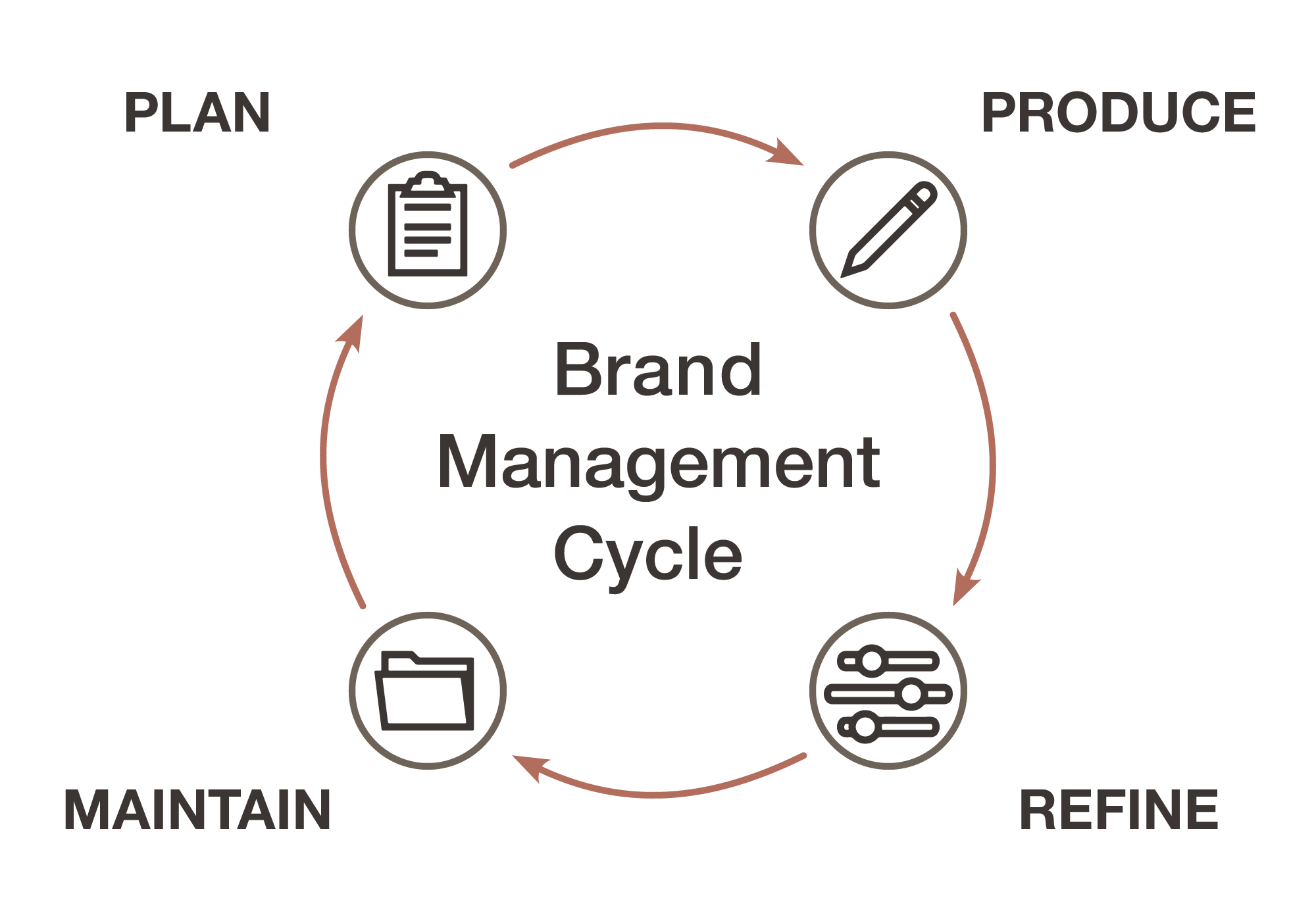
Plan
• Quarterly review
• Goal setting
• Campaign planning
• Inventory assets
Produce
• Design concepts
• Develop materials
• Marketing assets
• Website updates
Refine
• Evaluate materials
• Make improvements
• Update templates
• Adjust messaging
Maintain
• Ongoing support
• Fulfill requests
• Organize files
• Consistency checks
Because the brand context, assets, and decision-making framework are already in place, work moves faster and remains consistent over time, without the need to re-explain or re-establish direction at each new project.
When Brand Management Is the Right Fit
Brand management is especially effective when:
• Design requests are frequent or ongoing
• Multiple vendors or touchpoints need coordination
• The brand has grown without a defined system
• Leadership wants clarity and confidence in brand decisions
It provides stability and momentum, so teams can focus on running the business instead of managing design details.
How Engagements Are Structured
Brand management is typically structured as an ongoing retainer.
Rather than pre-defined packages, scope and frequency are established collaboratively based on:
• The company’s size and structure
• The volume and type of creative needs
• Short-term priorities and long-term goals
Some businesses prefer regular check-ins and planned support, while others simply value knowing I’m available as needs arise. The structure can be shaped around what fits best.
This approach keeps the relationship flexible, while maintaining consistency and clear expectations.
Learn More or Start a Conversation
Brand management provides continuity, clarity, and follow-through, so design decisions don’t have to be reinvented each time.
If brand management feels like the kind of support your business could benefit from, the best next step is a simple conversation.
Download the Brand Management PDF